

Sponsor Licence Compliance Duties: Reporting, Record Keeping and Right to Work Checks
A Sponsor Licence is not just permission to hire overseas workers. It is an ongoing compliance responsibility. Once your organisation is licensed, the Home Office expects you to monitor sponsored workers, keep accurate records, report changes on time and carry out proper right to work checks.
This matters because sponsorship is treated as a privilege, not an automatic right. The Home Office guidance says licensed sponsors must comply with immigration law, wider UK law and the duties set out in the sponsor guidance. A breach can lead to a downgrade, suspension or revocation of your licence.
For employers, the consequences can be serious. You may lose the ability to sponsor new workers, existing sponsored staff may be affected, and your business may face operational disruption. If your licence is already at risk, taking early advice from suspended sponsor licence solicitors can help you understand the allegations, prepare evidence and respond … Read the rest >>>


What to Do If an Insurance Company Denies Your Car Accident Injury Claim
Receiving a letter stating that your car accident injury claim has been denied is a moment of intense frustration and stress. However, it is vital to recognize one fundamental truth: an initial denial is often an insurance company’s default negotiation tactic, not the final verdict. Insurance companies are businesses, and their profitability is directly tied to the claims they avoid paying. A denial is frequently a test to see if a claimant will simply walk away, or if they have the knowledge and tenacity to push back.
If your claim has been denied, your response must be methodical, objective, and aggressive. This is no longer just about your injury; it is about holding a multi-billion-dollar entity to its contractual obligations.
Step 1: Analyze the Denial Letter
The law requires insurance companies to explain the specific reasons for a claim denial in writing. Do not just skim the letter—analyze it. The … Read the rest >>>

Affordable Under $500: Courthouse Wedding Dresses for a Modern Civil Marriage
The traditional wedding industry has long perpetuated the myth that a “real” bridal look requires a four-digit price tag and months of alterations. However, the rise of the modern civil ceremony—an intimate, sophisticated, and urban affair—has dismantled this outdated notion. Today’s bride knows that true elegance is not defined by a designer label, but by a impeccable fit, a confident silhouette, and the personal joy of the occasion.
If you are planning a civil wedding, you have a distinct advantage: the freedom to step away from the heavy tulle and dramatic trains. You can embrace “courthouse chic,” a style that values clean lines and refined minimalism. Best of all, you can achieve a high-fashion look for under $500.
The Hunt for Quality: Thinking Outside the “Bridal” Box
The quickest way to inflate your wedding budget is by shopping in the “bridal” section. Bridal boutiques often apply a significant markup to … Read the rest >>>
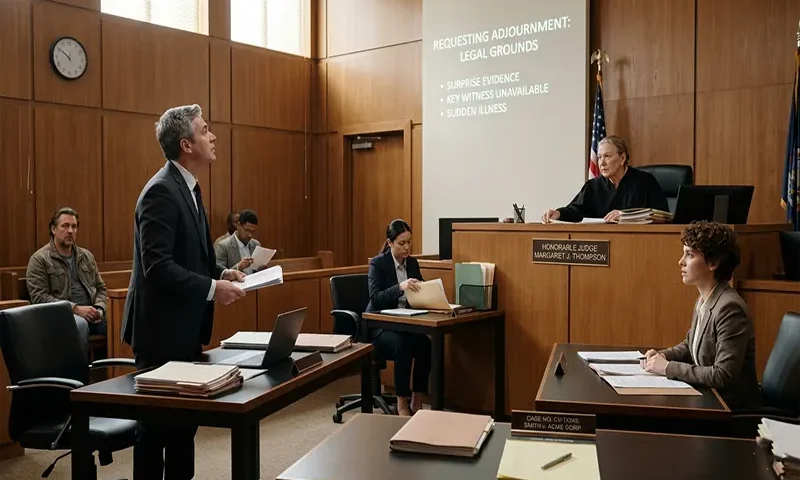
Legal Grounds to Request an Adjournment of a Civil Court Hearing
In the legal world, the phrase “justice delayed is justice denied” is more than a cliché; it is the guiding principle of the judiciary. Judges are tasked with moving cases through the system efficiently, which means they generally view requests for adjournment—formally known as a “motion for continuance”—with significant skepticism. However, life is unpredictable, and legal systems recognize that there are instances where a hearing cannot proceed as scheduled.
If you find yourself needing to request an adjournment for a civil court hearing, it is vital to understand that this is a privilege granted by the court, not a right. Success depends entirely on your ability to demonstrate “good cause.”
Valid Legal Grounds for Adjournment
A request for an adjournment must be rooted in circumstances that are beyond your control and that prevent you from effectively participating in the hearing. Common grounds accepted by courts include:
- Medical Emergencies: A sudden,
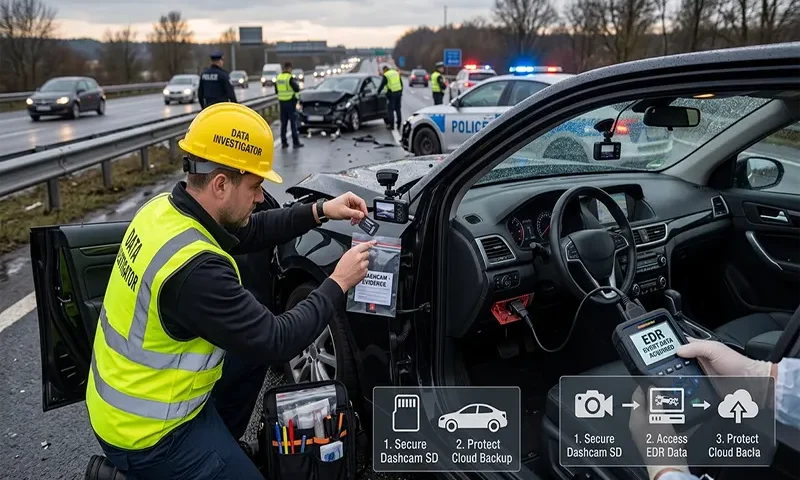
Steps to Preserve Dashcam and Event Data Recorder Evidence After an Accident
In the modern era of automotive technology, your vehicle is a silent witness that records the seconds leading up to and following a collision. Digital evidence, specifically from dashcams and Event Data Recorders (EDRs), is arguably the most objective account of an accident. However, unlike physical debris at a scene, digital data is incredibly perishable. If you do not act with precision in the minutes following an accident, that evidence can be permanently lost or overwritten.
Understanding the Difference: Dashcams vs. EDRs
To protect your evidence, you must first understand the distinction between your two main sources of data:
- The Dashcam: A consumer-grade device—usually mounted to the windshield—that records audio, video, and sometimes GPS data. Most dashcams operate on a “loop recording” cycle. Once the memory card reaches capacity, the device automatically begins overwriting the oldest footage with new data.
- The Event Data Recorder (EDR): Often referred to as a